
ForseMark Ammunition
It's not for everyone. Built to Serve Those Who Serve™
Agency Use Policy for Suppressed Platforms
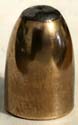
ForseMark QuietStrike™ 9mm Subsonic Ammunition
for Law Enforcement and Military Use
Law Enforcement-Driven. Mission-Ready.
Agency Use Policy for Suppressed Platforms
[Agency Name] – Tactical Firearms Deployment Protocol
I. Purpose
This policy establishes guidelines for the authorized use, deployment, and documentation of suppressed firearm platforms within [Agency Name]. Suppressed systems are employed to enhance officer safety, reduce auditory disruption, and support tactical operations in acoustically sensitive environments. This policy ensures legal compliance, operational control, and responsible use of subsonic ammunition, including ForseMark QuietStrike™ 9mm 124 Grain – Subsonic Soft Nose.
II. Scope
This policy applies to all sworn personnel authorized to carry or deploy suppressed firearms during law enforcement operations, training, or qualification. It covers:
III. Authorized Equipment
The following equipment is approved for suppressed deployment under this policy:
IV. Approved Ammunition
Only agency-approved subsonic ammunition may be used with suppressed platforms. Approved rounds must meet the following criteria:
V. Deployment Guidelines
Suppressed platforms may be deployed in the following scenarios:
VI. Training & Qualification
All personnel authorized to deploy suppressed platforms must complete:
VII. Legal & Ethical Considerations
VIII. Documentation & Accountability
All suppressed platform deployments must be logged in the following formats:
Supervisors are responsible for ensuring compliance, reviewing documentation, and reporting any deviations from policy.
IX. Review & Updates
This policy shall be reviewed annually by the Firearms Training Unit, Tactical Operations Command, and Legal Affairs Division. Updates will reflect changes in law, equipment standards, and operational best practices.
Approved By:
ForseMark: Built for the mission. Trusted in the
moment.
| QuietStrike™ Suppressed weapons Policy draft | |||||
|
Mission-Driven Ammunition
(Why we do for you what we do.) |
Solutions
Built for the Field
(Our Products designed to fit your needs.) |
Mission-Based
Quote Request
(Price should not be a barrier to your safety) |
Meet
the Team Behind the Mission
(Who We Serve. Why We Build. What we believe.) |
Field-Proven
Data & Ready-to-Use Resources |
|
| © 2025 ForseMark LLC. All rights reserved. All content on this website — including documents, training materials, product descriptions, and branding — is the property of ForseMark LLC and protected by copyright and intellectual property laws. Materials are provided exclusively for law enforcement and military agencies purchasing ForseMark products. Any reproduction, distribution, or use beyond their intended purpose requires prior written permission. Agencies are responsible for clearing content with their internal legal and communications teams before any public use. This site does not provide legal advice. For permissions or inquiries, Contact Us | |||||